Skip to main content

Commercial EV Charging Station Installation: Costs, Benefits & Key Considerations
As electric vehicles (EVs) continue to grow in popularity, businesses are increasingly looking for reliable ways to support EV drivers. Installing a commercial EV charging station can help businesses meet changing customer expectations, support employees with electric vehicles, and prepare for the future of sustainable transportation.
Whether you operate an office, retail store, hotel, apartment complex, fleet depot, or public parking facility, a well-planned commercial EV charging station installation can provide both practical and long-term business benefits. However, understanding installation costs, charger types, electrical requirements, and ongoing maintenance is essential before making an investment.
What Is Commercial EV Charging Station Installation?
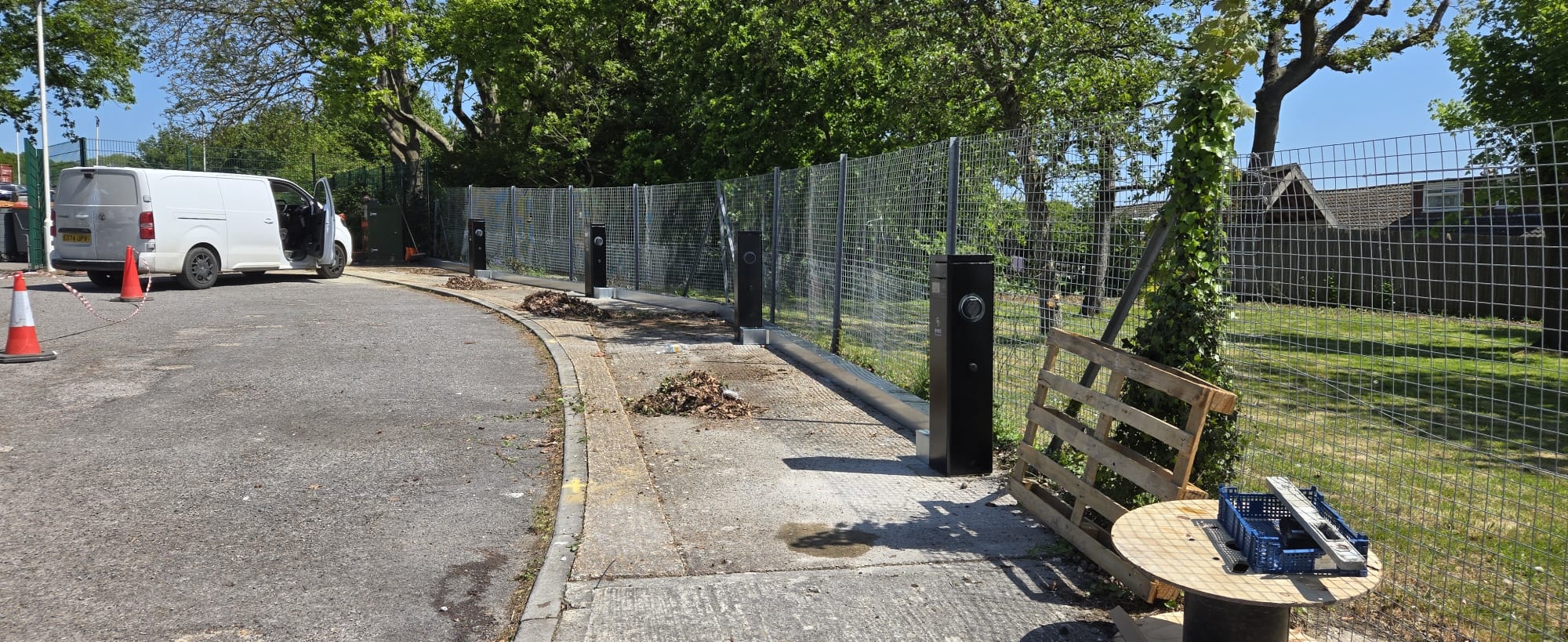
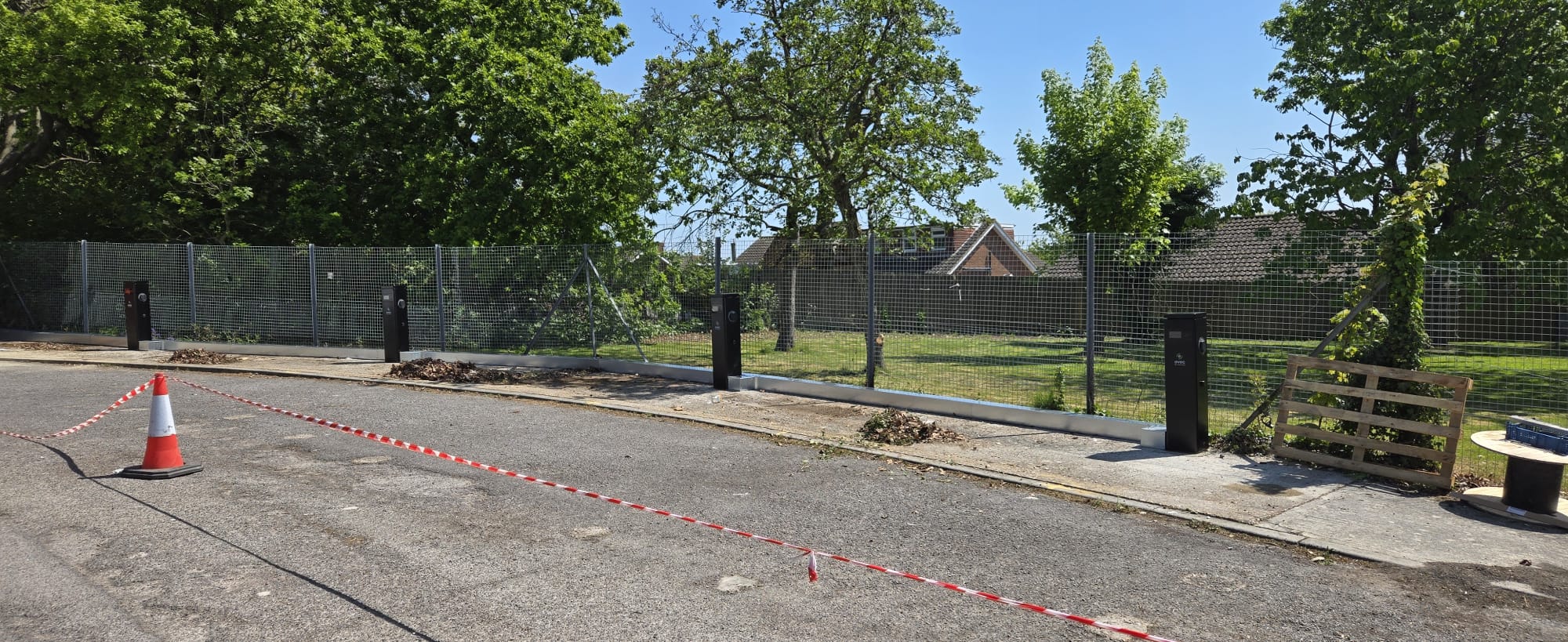
Commercial EV charging station installation involves setting up one or more electric vehicle charging points at a business or commercial property. Unlike a basic home EV charger, commercial systems may need to support multiple vehicles, higher charging demand, payment systems, network management, and additional electrical infrastructure.
A professional installation normally includes site assessment, charger selection, electrical work, mounting or civil work, software configuration, testing, and commissioning. The exact requirements depend on the property, available electrical capacity, charger type, and number of charging points.
How Much Does Commercial EV Charging Station Installation Cost?
The cost of commercial EV charger installation can vary significantly depending on the size and complexity of the project. A small business installing a few standard AC chargers may have considerably lower costs than a fleet operator requiring multiple high-powered DC fast chargers.
Several factors influence the total investment, including:
- Number of charging points required
- Type and power rating of EV chargers
- Electrical connection and available capacity
- Distance between the electrical supply and chargers
- Groundwork, trenching, and cabling requirements
- Parking layout and charger mounting
- Network management and payment systems
- Installation labour and professional services
- Ongoing maintenance and software costs
For this reason, businesses should request a detailed site assessment and quotation rather than relying on a standard installation price.
Types of Commercial EV Chargers
Choosing the right charger is one of the most important decisions when planning an EV charging station for business.
AC EV Chargers
AC chargers are commonly used in workplaces, hotels, shopping centres, offices, and other locations where vehicles remain parked for several hours. They generally provide slower charging than DC fast chargers but can be suitable for long-stay parking.
DC Fast Chargers
DC fast chargers deliver significantly higher charging speeds and are useful for locations where drivers need to recharge quickly. They can be particularly valuable for fleet operations, service stations, retail destinations, and busy commercial parking facilities.
Multiple-Charger Systems
Businesses with high demand may install several charging points connected through a managed charging network. Smart charging technology can help distribute available electrical capacity between vehicles and potentially reduce unnecessary peak demand.
Key Benefits of Commercial EV Charging Stations
Attract and Retain Customers
Providing EV charging can make a business more attractive to electric vehicle drivers. Customers may spend additional time at a retail store, restaurant, hotel, or shopping centre while their vehicle charges.
Support Employees
Workplace EV charging gives employees a convenient option for charging during working hours. This can support employee satisfaction and demonstrate a company’s commitment to sustainable practices.
Generate Additional Revenue
Depending on the business model, charging stations can create an additional revenue stream. Businesses may charge customers based on energy consumption, charging time, parking duration, or a combination of pricing methods.
Improve Sustainability
Installing commercial EV chargers can support a company’s environmental objectives by encouraging the use of electric vehicles. It can also complement broader sustainability initiatives such as renewable energy, energy efficiency, and reduced fleet emissions.
Prepare for Growing EV Demand
EV adoption continues to influence transportation and commercial property requirements. Installing charging infrastructure now can help businesses prepare for increasing demand instead of waiting until charging capacity becomes a competitive necessity.
Important Considerations Before Installation
Assess Your Electrical Capacity
Before installing EV chargers, a professional should evaluate the property’s existing electrical infrastructure. Multiple high-powered chargers can place considerable demand on an electrical system.
If existing capacity is insufficient, upgrades may be necessary. These could include additional electrical equipment, upgraded distribution boards, new cabling, or changes to the property’s electricity connection.
Select the Right Charger Power
Higher charging power does not always mean a better solution. The best charger depends on how long vehicles typically remain parked and how quickly they need to recharge.
For example, an office where vehicles stay for eight hours may benefit from AC charging, while a fleet depot with rapid vehicle turnaround may require DC fast charging.
Consider Parking and Accessibility
Charger placement should be convenient, safe, and accessible. Businesses should consider parking space dimensions, cable reach, vehicle movement, pedestrian routes, lighting, signage, and accessibility requirements.
Think About Future Expansion
A commercial EV charging project should account for future demand. Installing infrastructure that can be expanded later may help reduce disruption and additional costs as the number of EV users increases.
Choose Smart Charging Technology
Smart charging systems can provide businesses with useful control over charging sessions. Features may include load management, remote monitoring, usage reporting, user management, and flexible pricing.
Maintenance and Ongoing Management
Commercial EV charging stations require regular inspection and maintenance to maintain reliable operation. Businesses should monitor charging performance, cables, connectors, displays, electrical components, and software systems.
A maintenance agreement with a qualified EV charging provider can help identify problems early and reduce unexpected downtime. Remote monitoring can also make it easier to detect faults and manage multiple charging points from one platform.
Why Professional Installation Matters
A professional commercial EV charger installation helps ensure that the charging system is properly designed, electrically safe, and suitable for the property’s requirements. Experienced installers can assess the site, recommend suitable equipment, manage electrical work, configure charging software, and test the completed system.
Professional planning can also help businesses avoid common problems such as inadequate electrical capacity, poor charger positioning, insufficient cable protection, and limited future expansion options.
Conclusion
A commercial EV charging station installation can be a valuable investment for businesses looking to support EV drivers, improve customer experiences, provide workplace charging, and prepare for the growth of electric transportation. However, successful installation requires careful consideration of costs, charger types, electrical capacity, location, accessibility, smart charging, and future expansion.
By carrying out a professional site assessment and selecting the right charging solution for your property’s needs, you can build an EV charging system that is reliable, practical, and capable of supporting your business as demand grows.
Frequently Asked Questions
1. How much does commercial EV charging station installation cost?
The cost depends on the number and type of chargers, electrical infrastructure, installation requirements, groundwork, and software features. A professional site assessment is the best way to obtain an accurate quotation.
2. Which EV charger is best for a commercial property?
It depends on how long vehicles typically remain parked. AC chargers can work well for workplaces and long-stay locations, while DC fast chargers are more suitable where rapid charging is required.
3. Can businesses make money from EV charging stations?
Yes. Businesses can potentially generate revenue by charging users for electricity, charging time, or parking. Charging can also indirectly increase customer visits and dwell time.
4. Do commercial EV chargers require maintenance?
Yes. Regular inspections, software updates, electrical checks, and equipment maintenance can help keep charging stations safe and reliable.
5. Can EV charging stations be expanded in the future?
Yes. Businesses can plan their initial installation with future expansion in mind. Designing suitable electrical infrastructure and space for additional chargers can make future upgrades easier.
6. Why should businesses use professional EV charger installers?
Professional installers can assess electrical capacity, recommend suitable equipment, complete the necessary installation work, test the system, and help ensure the charging infrastructure is properly configured for commercial use.