Skip to main content
EV Chargers for Schools: Building a Greener Future for Education
The move towards electric vehicles is growing quickly, and schools are becoming an important part of this change. As communities focus more on reducing carbon emissions and creating sustainable environments, installing EV chargers for schools has become a practical step towards a cleaner future. Schools are not only places where students learn about the world but also spaces where sustainable habits can be encouraged.
By installing electric vehicle charging stations, schools can support teachers, staff, parents, visitors, and even local communities who use electric vehicles. These charging facilities help educational institutions reduce their environmental impact while preparing students for a future where electric transportation becomes more common.
Modern electric vehicle charging stations for schools offer more than just a place to charge cars. They represent innovation, environmental responsibility, and a commitment to creating greener campuses. With the right planning and professional installation, schools can benefit from reliable charging solutions that meet their current and future needs.
Why Are EV Chargers for Schools Becoming Important?
Schools have a unique role in encouraging sustainable choices. Students learn not only through lessons but also by observing the environment around them. When schools introduce electric vehicle charging facilities, they demonstrate the importance of clean energy and responsible transportation.
The demand for EV chargers for schools is increasing because more families and employees are switching to electric vehicles. Teachers, administrative staff, and parents may need convenient charging options during school hours. Providing chargers on campus makes electric vehicle ownership easier and encourages more people to consider switching from traditional fuel-powered cars.
In addition, schools often have large parking areas that remain unused for long periods. These spaces can be transformed into useful charging areas without major disruption to daily activities.
Benefits of Installing EV Chargers in Schools
Installing EV charging facilities can provide several advantages for educational institutions. These benefits go beyond supporting electric vehicle users and can create long-term value for schools.
Supporting a Sustainable Campus
One of the biggest advantages of EV chargers for schools is their contribution to environmental goals. Electric vehicles produce fewer emissions compared to petrol and diesel vehicles, helping improve air quality around school areas.
Schools that adopt sustainable solutions can reduce their carbon footprint and show students the importance of protecting the environment. This also supports sustainability programmes and green initiatives that many educational institutions are already implementing.
Encouraging Clean Transportation
Schools influence the behaviour of students, families, and communities. When a school provides EV charging facilities, it sends a clear message about the importance of cleaner transportation options.
Parents and staff members who own electric vehicles can benefit from convenient charging access while the school promotes responsible travel choices.
Creating Educational Opportunities
EV chargers can become a valuable learning tool. Teachers can use charging technology as an example when discussing renewable energy, engineering, climate change, and future transportation.
Students can gain practical knowledge about how electric vehicles work and understand why sustainable technology matters.
Supporting Staff and Visitors
Many schools have employees who spend several hours on campus every day. Providing charging facilities allows staff members to charge their vehicles while working.
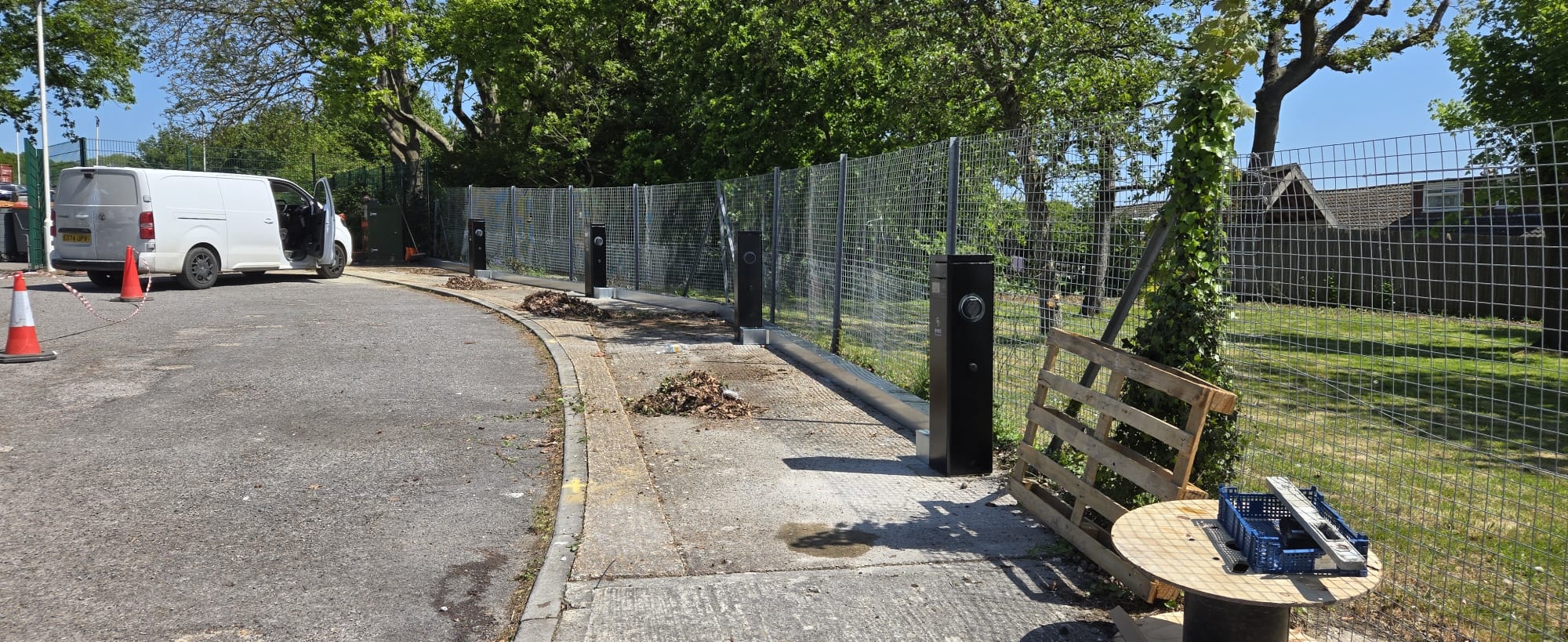
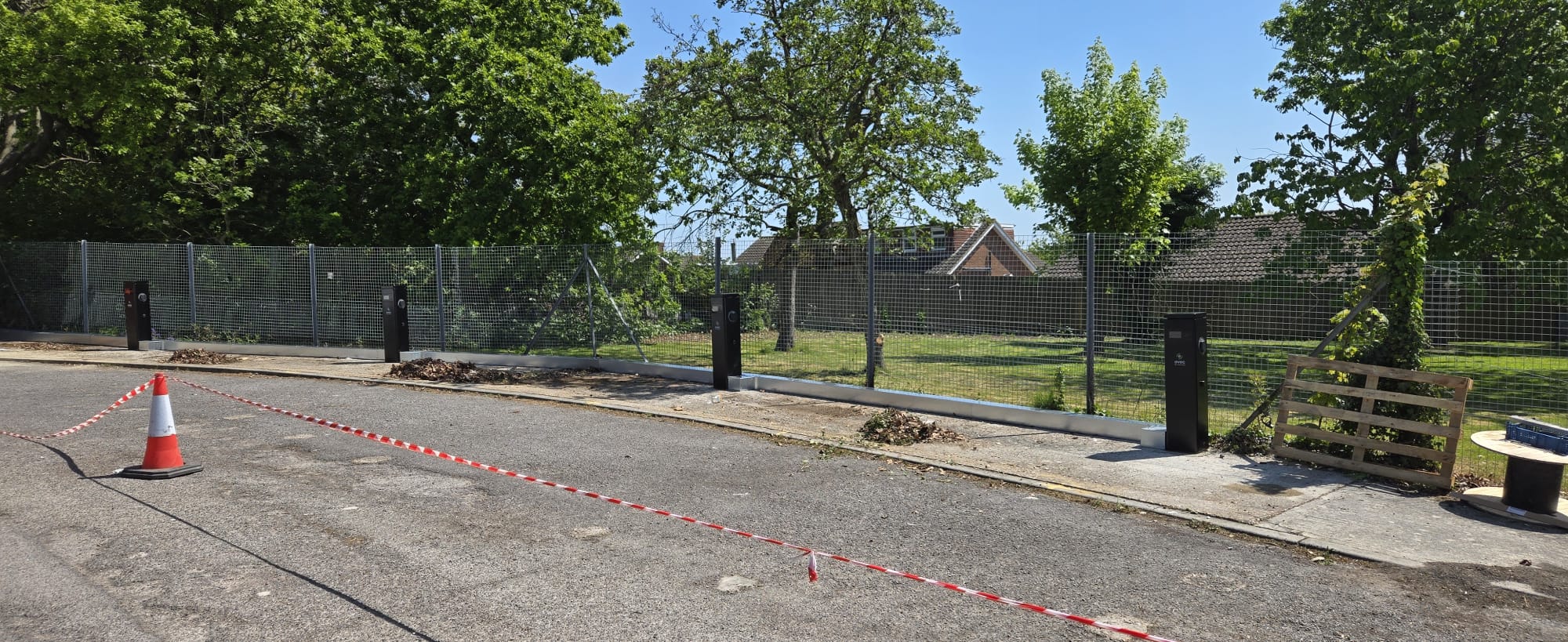
Professional school EV charging installation can also improve visitor experience by offering a useful facility for parents, guests, and community members attending school events.
How Do EV Charging Solutions Work for Educational Institutions?
Every school has different requirements, so charging solutions should be designed according to campus size, parking availability, and user demand.
Professional providers assess the location before installation. They review electrical capacity, parking layouts, safety requirements, and future expansion possibilities.
The installation process usually includes:
- Site assessment to understand charging requirements
- Choosing suitable charging equipment
- Installing electrical connections and safety systems
- Testing chargers before use
- Providing maintenance and ongoing support
Choosing reliable EV charging solutions for educational institutions ensures that schools receive safe, efficient, and future-ready charging infrastructure.
Choosing the Right EV Chargers for Schools
Selecting the right charging system depends on how the school plans to use the chargers. Some schools may only need a few charging points for staff vehicles, while larger campuses may require multiple chargers for wider community use.
Important factors to consider include charging speed, available parking space, electricity supply, and budget.
Slow, Fast, and Rapid Charging Options
Different charger types provide different charging speeds. For schools, fast chargers are often a practical choice because vehicles usually remain parked for several hours.
A suitable charging option can provide enough power during school hours without requiring expensive upgrades.
Smart Charging Features
Modern EV chargers often include smart technology that helps manage electricity usage. Smart charging allows schools to monitor energy consumption, schedule charging times, and control costs.
These features are especially useful for schools looking to improve energy efficiency and manage multiple charging points.
The Role of Workplace and School EV Chargers
Many educational institutions are similar to workplaces because employees spend long periods on-site. This makes workplace and school EV chargers a valuable investment.
Teachers and staff members can charge their vehicles during working hours, making charging convenient and reducing the need for additional charging stops.
Schools can also use charging systems as part of employee benefits, helping attract environmentally conscious staff members.
For colleges and universities, EV charging infrastructure can support students, employees, and visitors who travel longer distances and need reliable charging access.
Cost Considerations for School EV Charging Installation
The cost of installing EV chargers depends on several factors, including the number of charging points, electrical requirements, equipment type, and installation complexity.
Although there is an initial investment, schools can benefit from long-term advantages such as improved sustainability performance, increased campus value, and potential income opportunities.
Some educational institutions may also explore government support programmes or funding options designed to encourage electric vehicle infrastructure.
A professional installer can help schools understand their requirements and create a charging plan that fits their budget.
Why Professional Installation Matters
Safety is one of the most important considerations when adding charging infrastructure to a school environment. Professional installers ensure that chargers meet electrical standards and safety regulations.
A qualified installation team can identify potential challenges and provide solutions that reduce future maintenance issues.
Professional installation also ensures better performance, reliable charging, and a longer lifespan for charging equipment.
Schools should avoid choosing charging systems based only on price. Quality installation and ongoing support are essential for creating a safe and dependable charging network.
Future of EV Charging in Education
As electric vehicle adoption continues to grow, schools will likely play a bigger role in supporting sustainable transportation. Installing EV chargers for schools today can help educational institutions prepare for future changes.
In the coming years, charging technology will become smarter and more connected. Schools may integrate EV charging with renewable energy systems such as solar panels to create even more sustainable campuses.
Educational institutions that invest early in charging infrastructure can position themselves as leaders in environmental responsibility and innovation.
How Schools Can Get Started with EV Charging
Schools interested in installing charging facilities should begin with a clear plan. Understanding current needs and future goals will help create a successful charging strategy.
The first step is usually a professional site assessment. This helps identify the best locations for chargers and determines what electrical upgrades may be required.
Schools should also consider how chargers will be managed, who will use them, and whether the system needs expansion in the future.
Working with experienced EV charging providers ensures the project is completed safely and efficiently.
Conclusion
The adoption of EV chargers for schools is an important step towards creating cleaner, smarter, and more sustainable educational environments. Charging infrastructure allows schools to support electric vehicle users while teaching students valuable lessons about environmental responsibility.
From reducing emissions to improving campus facilities, electric vehicle charging stations provide benefits for schools, staff, families, and local communities. With proper planning and professional installation, schools can create a future-ready charging network that supports the growing demand for electric transportation.
Investing in EV charging solutions for educational institutions is not just about installing equipment. It is about building a greener future and encouraging the next generation to embrace sustainable choices.
Frequently Asked Questions (FAQs)
1. Why should schools install EV chargers?
Schools should install EV chargers to support electric vehicle users, reduce environmental impact, and encourage sustainable transportation among students, staff, and the community.
2. Are EV chargers suitable for all types of schools?
Yes, EV chargers can be installed in different educational settings, including primary schools, secondary schools, colleges, and universities. The charging system can be customised based on campus requirements.
3. How long does school EV charging installation take?
The installation time depends on the number of chargers, site conditions, and electrical requirements. A professional installer can provide a timeline after assessing the location.
4. Can schools use EV chargers as an educational tool?
Yes, EV chargers can support lessons about renewable energy, technology, engineering, and sustainability, helping students understand real-world applications of clean energy.
5. Are EV chargers expensive to maintain?
Modern EV chargers require limited maintenance when installed correctly. Regular inspections and professional support help keep charging systems safe and reliable.
6. Can schools install solar-powered EV chargers?
Yes, schools can combine EV charging systems with renewable energy solutions such as solar power to improve sustainability and reduce energy costs.